
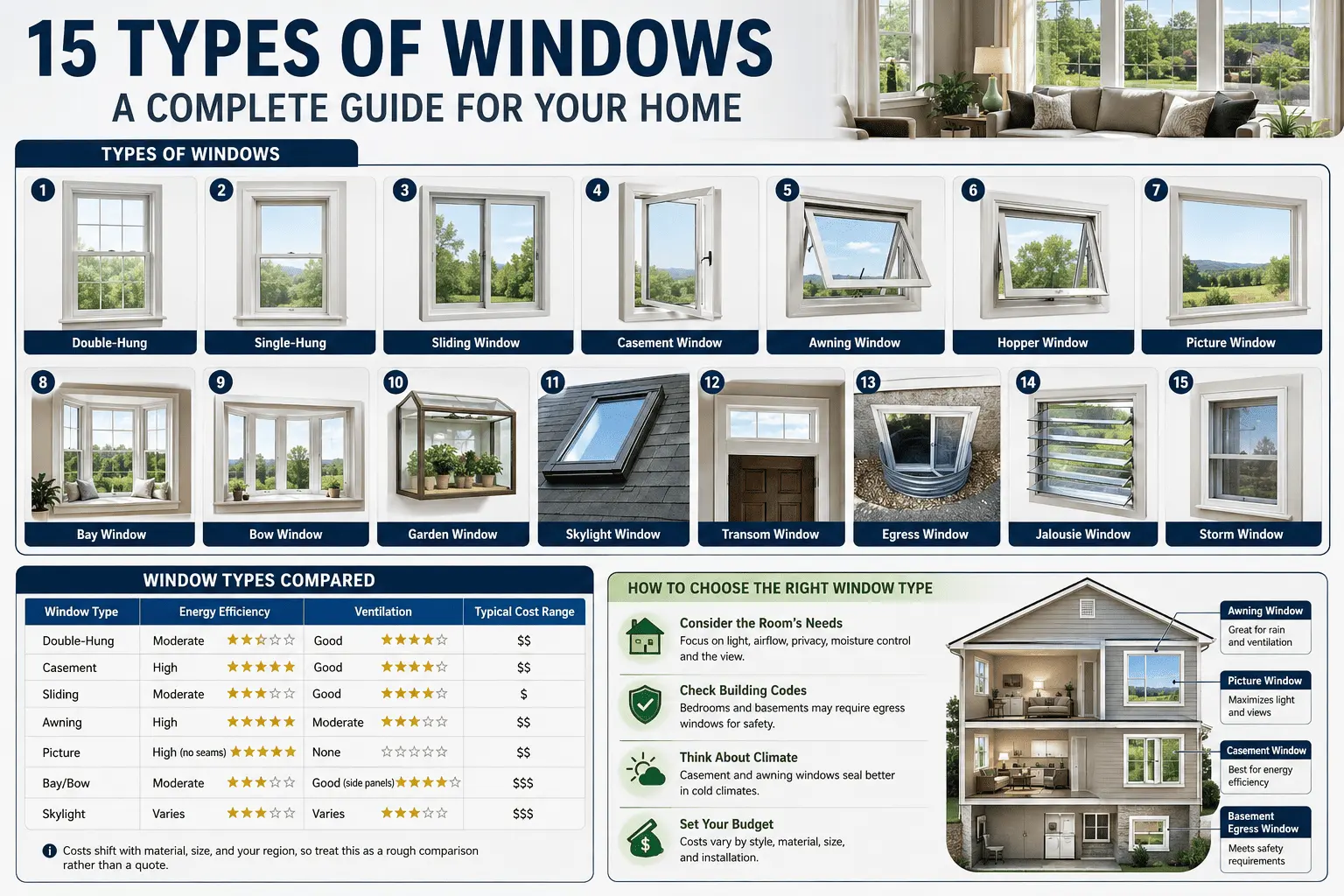
15 Types of Windows for Your Home: A Complete Guide
Introduction
Ask a contractor for a “regular window” and watch them stare back at you. There isn’t really such a thing anymore. Windows come in a dozen-plus shapes, each built to solve a different problem, and the one your neighbor loves might be the wrong pick for your bathroom or your budget. Get the style wrong and you’ll feel it every winter on your heating bill.
What Are the Main Types of Windows?
Windows split into four rough camps: ones that slide, ones that swing open on a hinge, ones that never open at all, and oddball shapes designed for a specific spot in the house. Most homes end up using three or four of these together, not just one. A kitchen might have a sliding window over the sink, casements in the living room, and a fixed picture window facing the backyard.
Sliding Windows
Double-hung windows
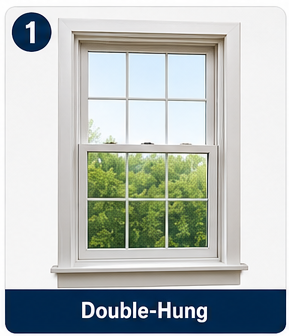
Double-hung windows are the ones you grew up with. Two sashes, top and bottom, both slide vertically and both tilt in for cleaning. They’re everywhere in colonial and traditional-style homes for a reason — they’re familiar, they’re easy to repair, and almost any trim style works with them. The tradeoff is the seal. Because the sashes ride in tracks instead of pressing shut like a door, double-hung windows leak a bit more air than casements do.
Single-hung windows
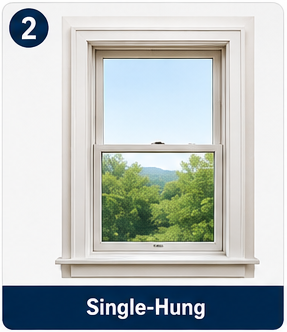
Single-hung windows are the cheaper cousin. Only the bottom sash moves; the top one is fixed in place. You’ll see these a lot in rental units and lower-budget builds, and honestly, if you’re not planning to open the top half anyway, there’s no reason to pay extra for double-hung.
Then there’s the plain horizontal slider — one or both panes glide side to side on a track. These earn their keep in spots where a swinging sash would be a problem, like directly over a kitchen counter or a low garden bed where you don’t want glass jutting out into the yard.
Hinged Windows
Casement windows
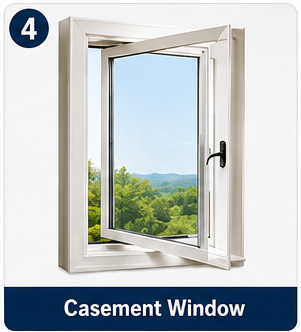
Casement windows crank open on a side hinge, more like a door than a typical window. This is the style I’d point most people toward if energy efficiency is the priority — when it’s shut, the sash compresses right against the frame, which seals out drafts far better than anything on a track. Cold-climate builds lean on casements heavily for exactly this reason.
Awning windows
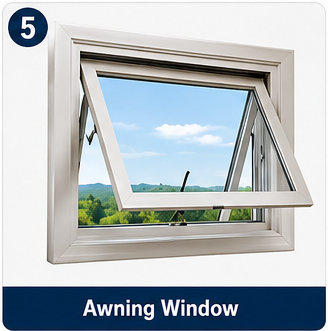
Awning windows hinge at the top and swing out from the bottom, so you can leave them cracked open during a light rain without water finding its way inside. They show up constantly above kitchen sinks and bathroom vanities, or stacked underneath a big fixed picture window to add ventilation without breaking up the view.
Hopper windows
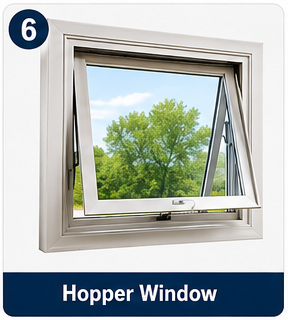
Hopper windows do the opposite: hinged at the bottom, opening inward from the top. Basements use these a lot, mostly because they sit close to ground level and a hopper’s small opening is easier to secure than a wide casement.
Fixed and Specialty Windows
Picture windows
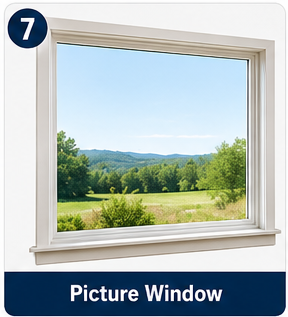
Picture windows don’t open. Full stop. What they do is flood a room with light and frame a view better than any other style, which is why they’re almost always paired with a smaller operable window nearby for airflow.
Bay windows
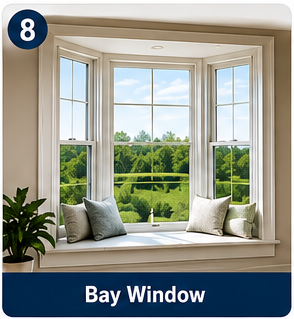
Bay windows push three panels outward from the wall at sharp angles — usually a big fixed pane in the center with two smaller operable ones flanking it. They’re a favorite for dining nooks and living rooms because they genuinely add usable floor space inside, not just visual interest.
Bow windows
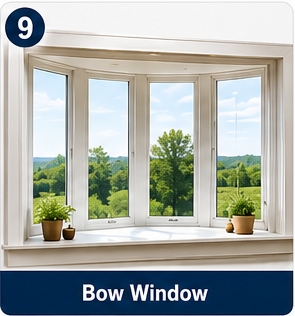
Bow windows do something similar but softer, using four or more panels that curve in a gentle arc instead of sharp angles. If a bay window feels too boxy for your taste, a bow is the rounder alternative — though it usually needs a wider wall section to pull off.
Garden windows
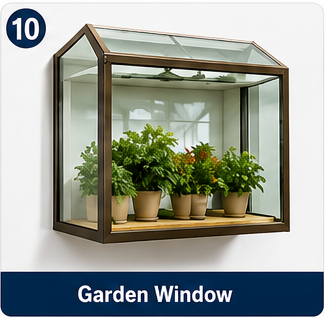
Garden windows are the small boxed-out ones with a shelf inside, built for growing herbs or setting out a few plants where they’ll actually get sun. Almost always installed over a kitchen sink, and honestly one of the more underrated upgrades for anyone who cooks a lot.
Skylights Windows
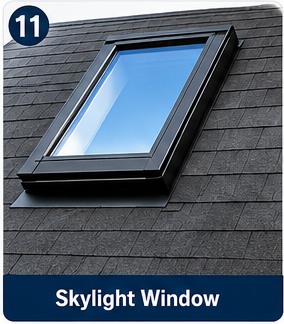
Skylights go in the roof instead of a wall, which makes them the only real option for lighting up an interior bathroom or hallway with no exterior wall to work with. Some open for ventilation, some don’t — worth checking before you assume yours will vent steam out of a shower.
Transom windows
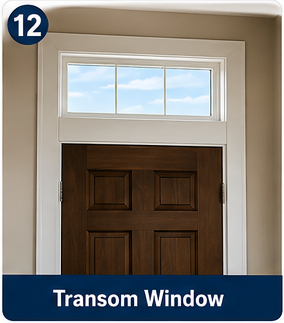
Transom windows are the narrow strip above a door or another window. Usually fixed, mostly there to sneak in extra light above eye level. You’ll spot them constantly in Craftsman and colonial homes.
Egress windows
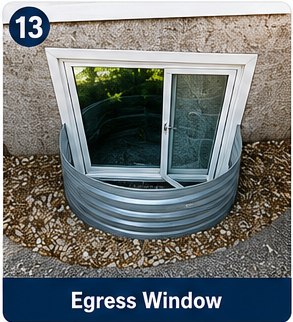
Egress windows aren’t really a style on their own — they’re any window that meets your local building code’s minimum size and clearance to double as an emergency exit. Bedrooms and basements almost always require one. Casements and sliders tend to be the go-to choices here because they open wide enough to actually meet code.
Jalousie windows
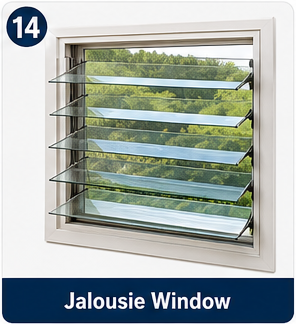
Jalousie windows are made of narrow horizontal glass slats that tilt open together, like a set of blinds built into the wall. They were huge in mid-century homes, especially down south, because they move a lot of air. The catch is insulation — those slats never seal as tightly as a solid sash, which is exactly why you don’t see jalousies in new builds much anymore.
Storm windows
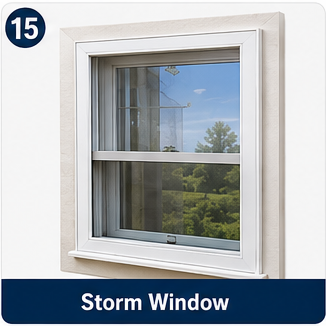
Storm windows aren’t a replacement window at all — they’re an extra layer added outside (or sometimes inside) an existing window to cut down on drafts and noise. If a full window replacement isn’t in the budget yet, storm windows are a legitimate stopgap, not just a cheap consolation prize.
Comparing Window Types at a Glance
| Window Type | Energy Efficiency | Ventilation | Typical Cost Range |
| Double-Hung | Moderate | Good | $$ |
| Casement | High | Good | $$ |
| Sliding | Moderate | Good | $ |
| Awning | High | Moderate | $$ |
| Picture | High (no seams) | None | $$ |
| Bay/Bow | Moderate | Good (side panels) | $$$ |
| Skylight | Varies | Varies | $$$ |
Costs shift with material, size, and your region, so treat this as a rough comparison rather than a quote.
How to Choose the Right Window Type
Don’t start with the style you like in a photo. Start with what the room actually needs. A bathroom cares more about privacy and moisture control than a view, which is why awning and hopper windows end up there so often. A living room with a decent view is a much better candidate for a picture or bay window instead. Bedrooms and basements have to clear egress code, which narrows the field fast — no point falling in love with a fixed picture window for a bedroom that legally needs an emergency exit. And if you’re anywhere that gets a real winter, lean toward casements over sliders. That tighter seal pays for itself over a few heating seasons.
Frequently Asked Questions
What is the most energy-efficient type of window?
Casement windows tend to win here. The sash presses directly against the frame when it closes, which seals out drafts better than sliding designs that rely on tracks.
What’s the difference between a bay window and a bow window?
A bay window uses three panels at sharp angles; a bow uses four or more in a gentler curve. Bay windows read as more angular and structured, while bow windows feel softer and rounder.
Which window type is best for a bedroom?
Casement or sliding windows usually make the most sense, since they can be sized to satisfy egress code — meaning you get a legal emergency exit along with the ventilation and light.
Are jalousie windows still used today?
Rarely in new construction. Their slatted design just doesn’t insulate well. You’ll still find them in older homes, particularly in warm coastal areas where drafts matter less.
Do storm windows replace the need for new windows?
No. They sit on top of your existing window to reduce drafts and noise, but they won’t fix a rotting frame or a failed seal on the primary window underneath.
What type of window is best for ventilation?
Casement and awning windows generally move more air than sliding or double-hung styles, since they open outward and can catch a breeze rather than just sliding a pane out of the way.
Final Thoughts
There’s no single best window — just the best window for a given room, climate, and budget. Figure out the job first: light, airflow, a legal exit, or a view worth framing. The right style usually falls out of that pretty quickly. If you’re renovating the whole house, map out window types room by room before you start calling contractors for quotes. Mixing styles on purpose almost always beats picking one and using it everywhere.