
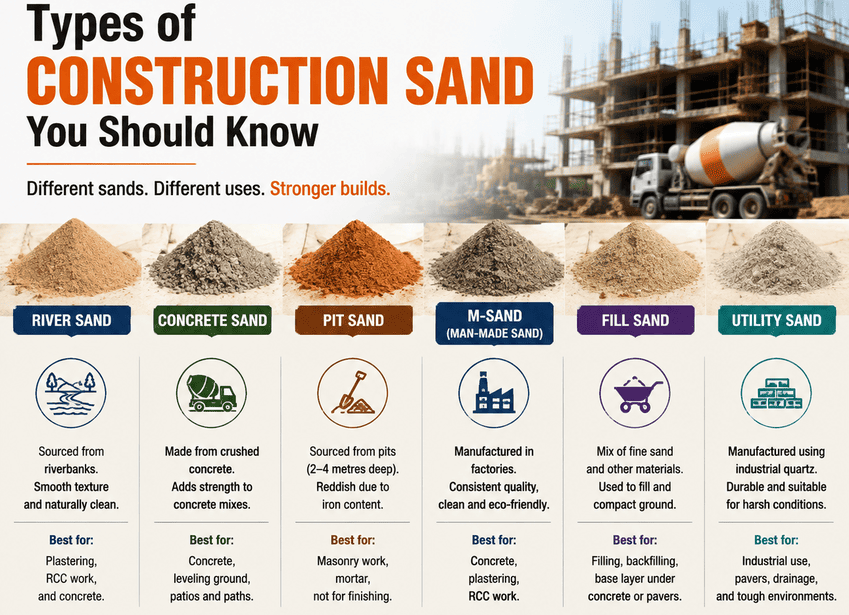
Types of Construction Sand You Should Know
Sand isn’t just sand. There are actually a few different kinds, and builders pick a different one depending on what they’re doing.
Get it wrong and things go bad fast. Wrong sand can weaken concrete, or mess up a wall’s finish completely.
What Is Sand, Really?
Sand comes from rocks. Over a very long time, rocks near rivers and seas break down into tiny pieces, and most of that is silica.
Sand particles are usually between 0.075 mm and 4.75 mm in size. Depending on how big or small the grains are, sand gets grouped into fine, medium, or coarse construction sand.
River Sand
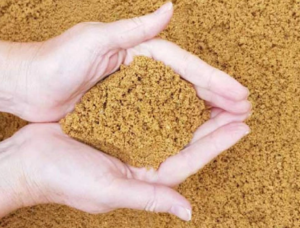
Construction river sand is probably what most people picture when they hear the word sand. It comes straight from riverbanks and feels smooth.
Because it’s so smooth, it’s great for plastering walls and for RCC work. It also costs less, since nature basically does most of the work for you.
Concrete Sand
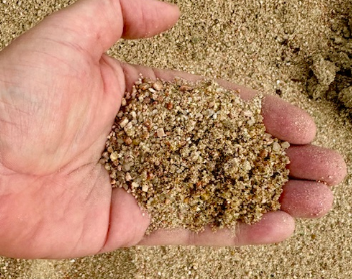
This one’s made from crushed up old concrete, not natural rock. Builders use it mainly inside concrete mixes, where it adds strength.
It’s also handy for levelling ground before laying a patio or path. The small grains fill in the little gaps between bigger stones in the mix, sort of like packing peanuts.
Pit Sand
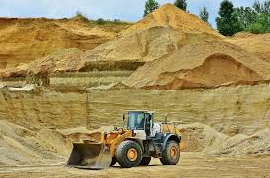
Pit sand comes from holes dug about 2 to 4 metres deep. It’s rougher than river sand, so workers screen it first to clean out junk particles.
You can usually spot it by its reddish-orange colour, that’s iron in the sand doing that. It’s mostly used in mortar, not for smooth finishing work.
M-Sand (Man-Made Sand)
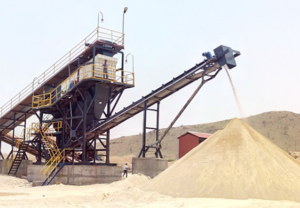
M-Sand doesn’t come from nature at all, it’s made in a factory. As real sand became harder to find, factories started making this instead.
It skips the whole transport cost problem since it’s made close to where it’s needed. It’s also cleaner overall, since it’s produced in a controlled setup rather than dug out of a riverbank.
Fill Sand and Utility Sand
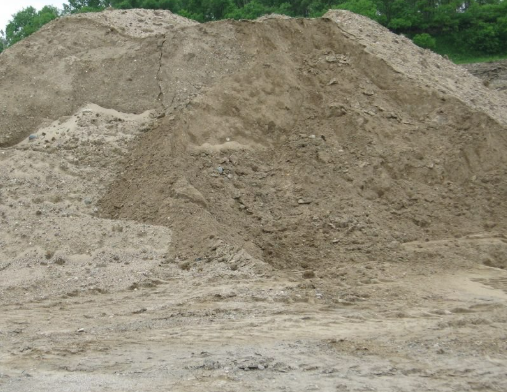
Fill sand is a mix of small sand bits and other material, mostly used just to fill space and pack ground down tight. It works well as a base layer under concrete or pavers.
Utility sand is another man-made type, made from industrial quartz, and it’s part of what people call builders sand and gravel. It packs down well and doesn’t react badly in tough environments, which makes it useful in places where regular sand would break down faster.
What Makes Sand Actually Good?
Not all sand is worth using, but good sand tends to share a few traits. It should feel grainy, be tough, and stay free of dust or clay.
It also shouldn’t hold salt or soak up too much water, both weaken whatever gets built with it. Oddly enough, a mix of different grain sizes usually works better than sand where every grain looks the same.
Picking the right sand isn’t some small detail builders skip past. It actually decides how long the whole structure holds up, so it’s worth taking seriously from day one.