
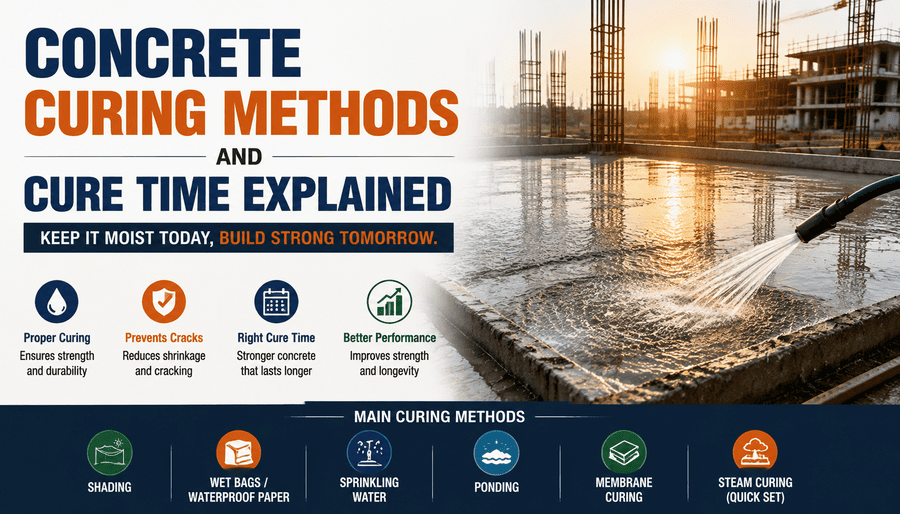
Concrete Curing Methods and Cure Time Explained
Concrete doesn’t just get hard and stay that way on its own. It needs help along the way, and that’s what curing is all about.
Curing basically means keeping fresh concrete moist so the cement inside can react properly with water. This reaction is called hydration, and it’s what actually gives concrete its strength.
Why Concrete Cure Time Matters So Much
If concrete dries out too fast, the hydration process stops early. That means the concrete never reaches the strength it was supposed to have.
Skipping proper curing doesn’t just weaken concrete either, it can also cause cracking. So getting the concrete cure time right isn’t optional, it’s basically half the job.
Concrete Setting Time vs Curing Time
People often mix these two up, but they’re not the same thing. Concrete setting time is how long it takes for the concrete to go from wet and workable to firm enough to hold its shape.
Curing time comes after that. It’s the longer stretch, sometimes weeks, where the concrete keeps gaining strength as long as it stays moist. Setting is quick. Curing takes patience.
Shading
This method is pretty simple. A cover or shade is placed over fresh concrete to stop water from evaporating too fast in the sun or wind.
In cold weather, shading also helps by trapping the heat that hydration naturally gives off. That keeps the concrete from freezing before it’s had a chance to properly set.
Covering With Wet Bags or Waterproof Paper
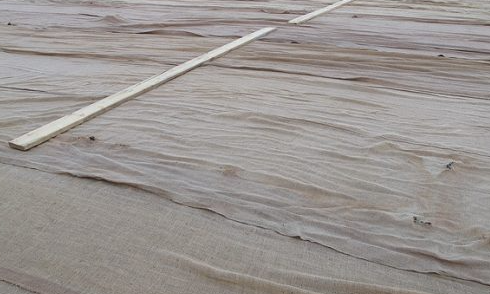
Here, wet gunny bags or waterproof paper get laid straight over the concrete surface. It’s a cheap, low-effort way to stop moisture loss.
This method works especially well for flat surfaces like slabs and pavements, where laying a cover is easy and doesn’t get in the way of anything.
Sprinkling Water
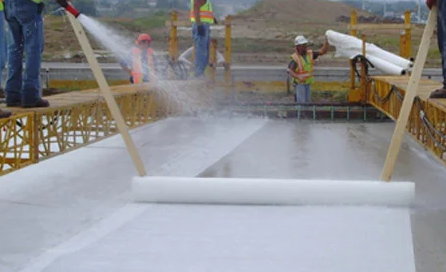
Sounds obvious, but it’s exactly what it sounds like. Water gets sprayed onto the concrete at regular intervals using nozzles or a hose.
The problem is keeping the surface wet all the time. It’s honestly a bit unreliable, since a missed round of sprinkling can leave a dry patch that hurts the final strength.
Ponding
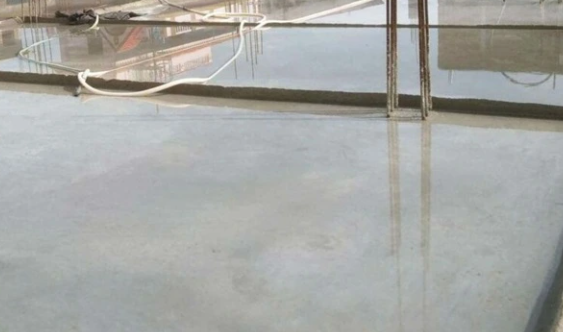
Ponding is probably the most common method for curing slabs and floors. First, the surface gets covered with something moist for about 24 hours.
After that, small clay barriers are built around the edges, kind of like a shallow dam, and water gets poured in to sit on top of the slab for the rest of the curing period.
Membrane Curing
This method skips water altogether and uses a sealing layer instead, things like bitumen, wax, or plastic film spread over the surface. The membrane traps moisture already inside the concrete.
Interestingly, membrane curing done properly for 28 days can give strength similar to two weeks of regular moist curing. Not bad for something that barely needs checking on.
Steam Curing and Quick Set Concrete Cure Time

Steam curing speeds things up by raising the temperature of wet concrete using steam. This pushes hydration along much faster than normal.
It’s the go-to method for a fast, quick set concrete cure time, especially in factories making precast concrete parts, where waiting weeks for strength just isn’t practical.
Which Method Should You Use?
There’s no single best method here. Shading and wet coverings work fine for small home projects, ponding suits big flat slabs, and steam curing belongs mostly in factories.
Whatever method gets picked, the goal stays the same: keep the concrete moist long enough for it to build real strength, not just look finished on the outside.